
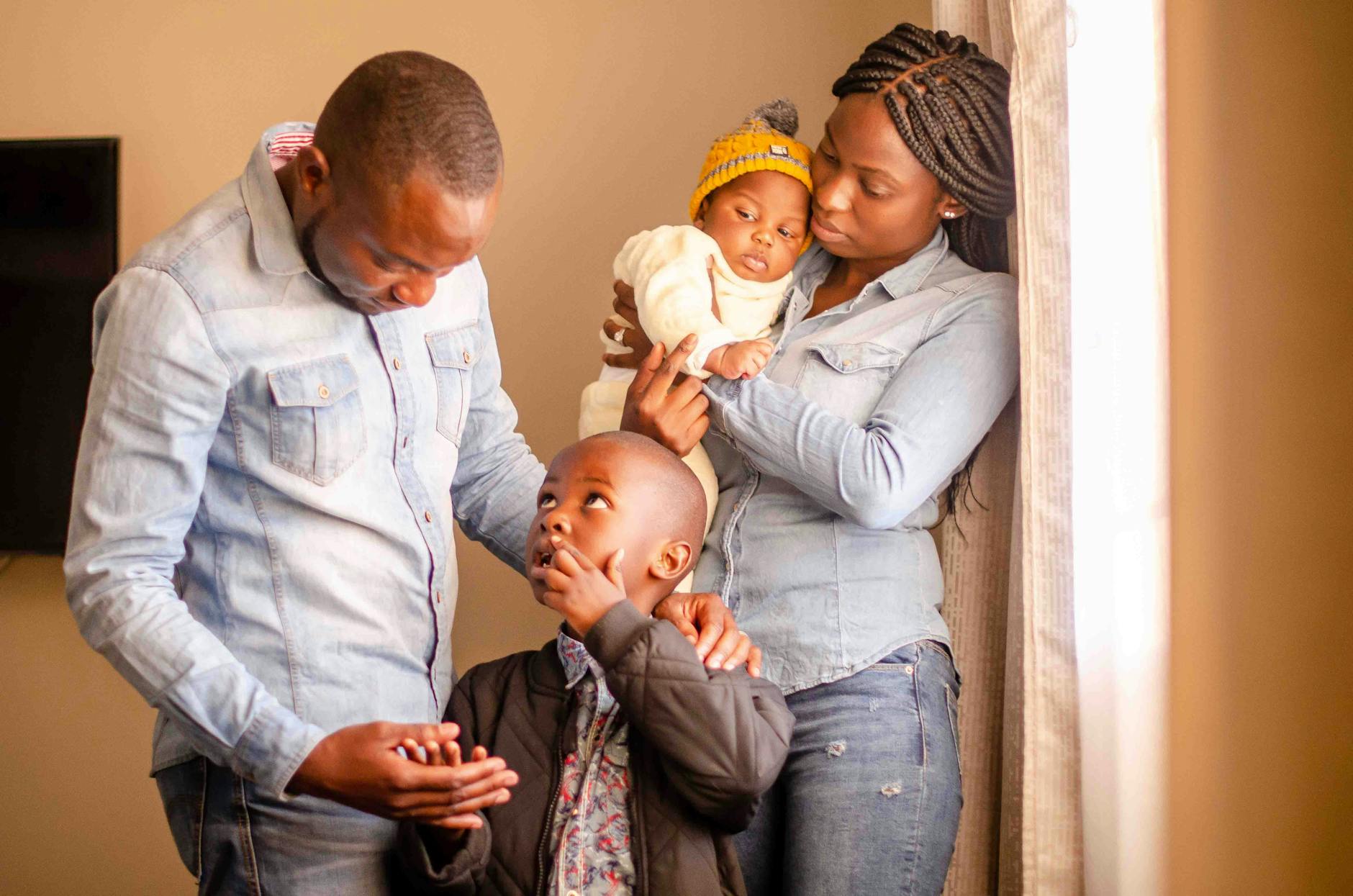
“Because I said so!”
Sound familiar? Welcome to the African parenting starter pack.
Many of us were raised in homes where respect was demanded, not earned. Where silence was golden (especially when guests came over), and tears were considered rebellion—not emotion. But now that we’ve become parents, we’re faced with a question: Do we continue the cycle or rewrite the script?
👣 What We Inherited: The Good, The Strict, and The “Because I’m Your Mother!”
Let’s be honest—African parenting wasn’t all bad. In fact, some parts were pure gold. We inherited:
✅ Respect for elders – You didn’t greet? You were a disgrace.
✅ Responsibility early on – Washing dishes at 5, babysitting at 8.
✅ Community parenting – Aunties, neighbors, even the church choir director had parental authority.
✅ Cultural values – Family first. Humility. Perseverance. Gratitude.
But, of course, it came wrapped with a side of:
🚫 Emotional suppression
🚫 Corporal punishment (the famous slipper, mwiko, or “the look”)
🚫 Fear-based discipline
🚫 Limited space for open conversation or disagreement
🧠 Why Some of These Methods No Longer Work
The world has changed. Our children are growing up in a world of mental health awareness, gentle parenting, digital exposure, and a demand for communication.
What was once considered “discipline” might now be flagged as “emotional trauma.”
Many of us are parenting with wounds we haven’t healed. Our default reactions—anger, shouting, guilt-tripping—aren’t always about the child. Sometimes, they’re echoes of our upbringing.
🚧 What We Need to Unlearn
Here’s the hard part. Changing what raised you isn’t easy. But here are a few things we can actively unlearn:
1. “Children should be seen, not heard.”
➡️ Children should be heard. They have opinions, feelings, and voices worth listening to.
2. Beating = Discipline
➡️ Science and experience show it’s not the most effective way. Let’s teach, not terrify.
3. Talking about emotions is weak
➡️ Actually, it builds resilience. Let your child cry. Validate them. Model emotional intelligence.
4. Perfection is expected
➡️ Your child is human. So are you. Mistakes are learning tools, not signs of failure.
💡 What We Can Do Instead
Here’s your parenting upgrade list:
🧡 Practice gentle discipline – Consequences, not threats. Boundaries, not fear.
🧡 Apologize when wrong – Yes, parents mess up too. And saying sorry teaches accountability.
🧡 Involve your child in conversations – Ask them why. Let them explain. You’ll be surprised how wise they are.
🧡 Balance tradition with mindfulness – Teach respect, but also teach confidence.
🧡 Therapy is not taboo – Sometimes the best parenting tool is healing yourself first.
🌍 Rewriting the African Parenting Story
We’re not here to bash our parents—they did the best they could with what they had. But we have access to tools, information, and support they never did.
Let’s keep the strength and wisdom of our roots, and prune the parts that don’t serve our children.
Because honestly? “Because I said so” doesn’t work on a child who just asked why in 4 different languages.
🛒 Recommended Reads & Tools (Affiliate Picks)
📚 Raising Emotionally Intelligent Children -Book
📖 Positive Discipline for African Parents
🧩 Feelings Flash Cards for Kids
🗨️ Let’s Talk…
What parenting style did you grow up with—and what are you doing differently with your kids?
Drop a comment or share this article with a fellow cycle-breaker. 👇🏽

 Kay Collections