
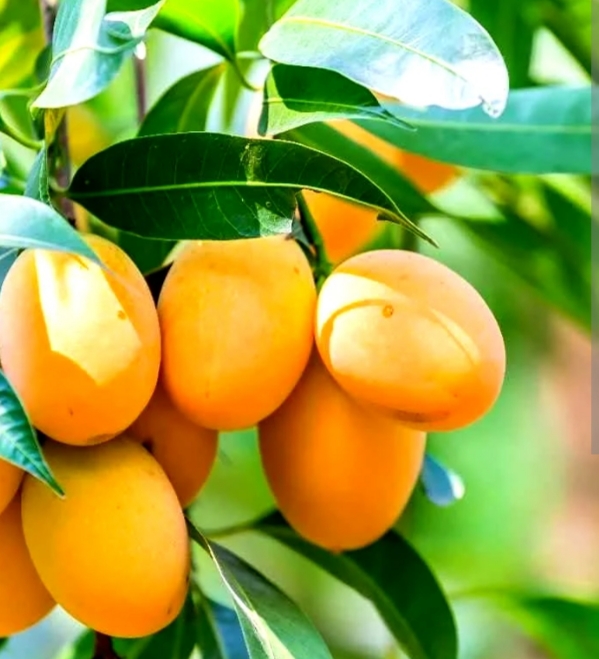
If you live in Kenya and you’ve been to the market lately, you’ve noticed it.
Mangoes everywhere.
Big mangoes. Small mangoes. Sweet mangoes. Mangoes so cheap you start questioning your loyalty to bananas. You buy more than planned, carry them home proudly… then wonder how you’ll finish all of them before they ripen at the same time.
While this feels like a win for households, it’s also a subtle lesson in climate change in Kenya — one that’s playing out quietly on our fruit stalls.
Mango Season in Kenya: Then vs Now
Traditionally, mango season in Kenya runs from October to March, peaking between December and February. Farmers planned around predictable rains, familiar temperatures, and known harvest windows.
Today, that calendar is blurry.
Mangoes now appear much earlier, linger longer, and sometimes show up when they technically shouldn’t. This isn’t because the climate has improved. It’s because it has changed and farmers have been forced to change with it.
Unpredictable rainfall, longer dry spells, and sudden temperature shifts have pushed farmers to adjust planting schedules and favour crops that can survive uncertainty. Mangoes have proven surprisingly resilient.
Climate Change Isn’t Just About Floods and Droughts
When we talk about climate change, we often picture disasters: floods, droughts, crop failures.
But sometimes climate change looks like too much success.
An oversupply of mangoes can lower prices, reduce farmer income, strain storage capacity, and increase post-harvest losses. What feels affordable to the buyer can quietly squeeze the farmer.
So yes, climate change can make fruit cheaper but not necessarily farming easier.
Why Mangoes Matter Beyond the Kitchen
Mangoes are now a small but powerful example of climate adaptation in Kenyan agriculture.
Farmers are:
Changing planting times
Staggering production to manage rainfall uncertainty
Choosing crops that tolerate heat and irregular water
They’re adapting faster than policies, financing, or support systems can keep up.
And that’s where the bigger conversation begins.
The Investment Angle We Can’t Ignore
Whether you’re in farming, finance, or simply planning household budgets, mangoes tell us three important truths:
Climate change is already affecting food systems, not “coming soon”
Farmers are innovating out of survival, not strategy
Resilience is becoming more valuable than tradition
Future opportunities lie not just in growing food, but in storage, processing, transport, and value addition. When seasons stretch and overlap, systems must stretch too.
A Simple Action Plan (No Jargon, No Drama)
Support climate-resilient farming through better access to information and finance
Invest beyond production, storage and processing matter more than ever
Pay attention to everyday signals, markets often reveal climate trends before reports do
Final Thought
Climate change doesn’t always announce itself with headlines.
Sometimes it shows up quietly stacked neatly on a market stall, sold at a bargain, and carried home in a shopping bag.
So next time you’re cutting into a juicy mango, enjoy it…But also pause and remember: even our fruits are adapting.

 Kay Collections